
Home / Casting
Casting
Sand, die and investment casting in India.
Every casting starts with one question: what does this product need? Volume, detail, wall thickness, finish and budget decide the route — not the machines someone happens to own. Through our network of specialist foundries across India’s metal clusters, we match each part to the method that serves it best, then follow it through fettling, machining, finishing and inspection.
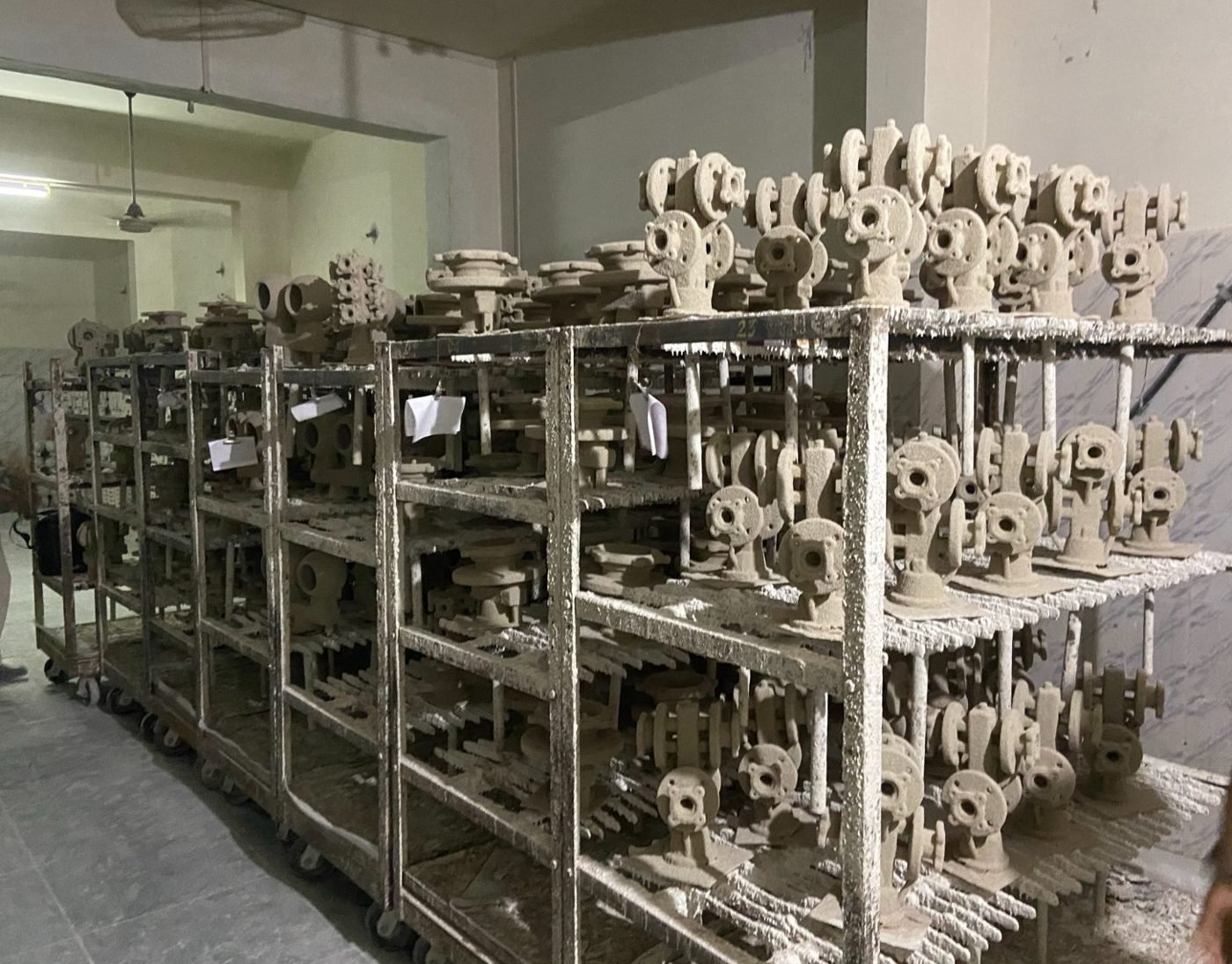
Four routes
One question: what’s right for the product?
Share your drawing, quantity and finish. We recommend a route — often two, with the trade-offs explained — before any tooling is made.
Sand casting
Brass, bronze, aluminium and iron. Low to medium volumes, larger parts, organic and textured forms, with economical tooling.
Pressure die casting
Zinc and aluminium at volume. Thin walls, repeatable dimensions and smooth surfaces ready for plating or PVD.
Gravity die casting
Brass and aluminium in permanent metal moulds. Denser castings and better surfaces than sand, at lower tooling cost than pressure die.
Investment casting
Lost-wax casting for fine detail, sharp edges and complex geometry in brass, bronze and stainless steel.
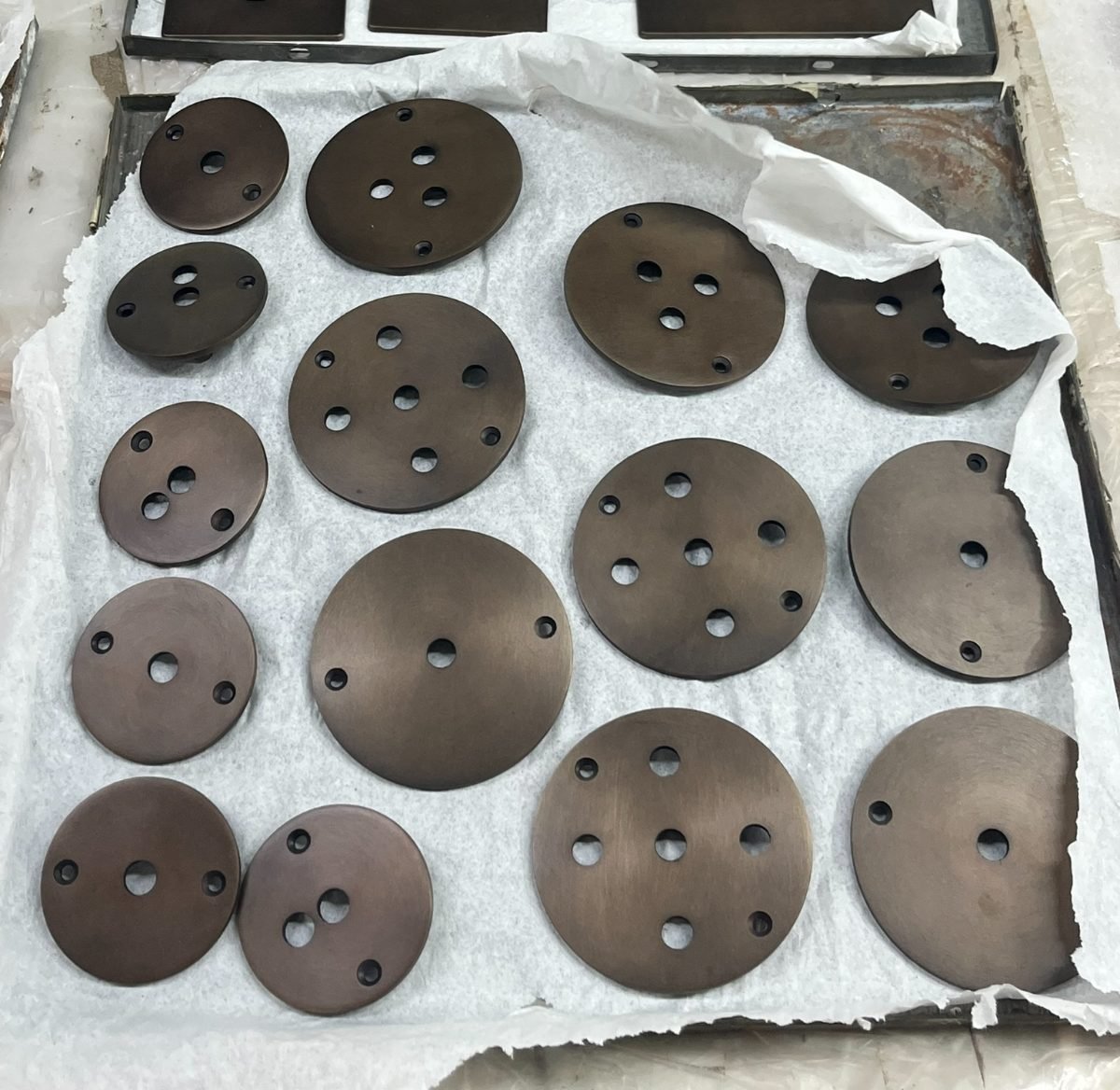
Pattern to product
From pattern to finished part.
Pattern or 3D-printed master, mould, pour, fettling and grinding, CNC machining where needed, then polishing, plating or PVD. We stay with the part at every step — photographs, measurements and approvals at each stage — so what you sign off on the sample is what arrives in the carton.
- Golden sample approved before production
- Dimensional checks with calibrated instruments
- Weight and wall-thickness checks on castings
- Finish matched to your approved swatch, batch after batch
FAQ
Questions buyers ask us.
Which casting method should I choose?
Share your drawing, target quantity and finish. We recommend a route — often two options with the trade-offs — before any tooling is made.
Do you handle tooling and patterns?
Yes. Patterns, dies and 3D-printed masters are developed with our partner foundries, and you approve samples before production.
What are typical MOQs?
Low. Sand and investment casting suit small runs; die casting becomes economical as volumes grow. We tell you where the break-even sits for your part.
From foundry to final check
Cast, finished, measured.
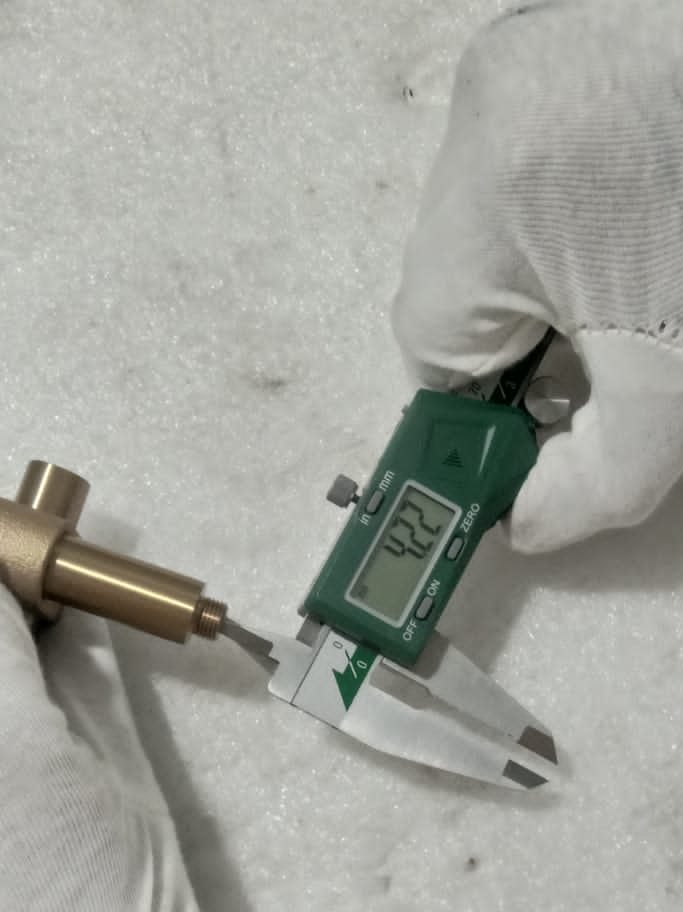
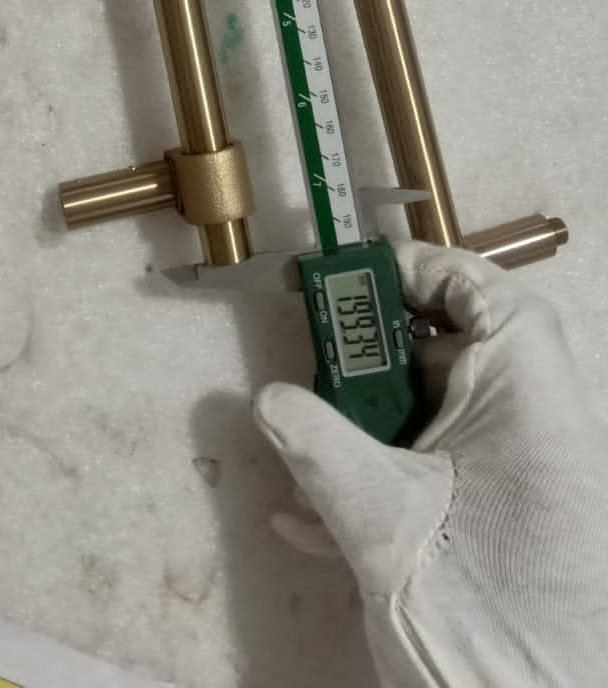
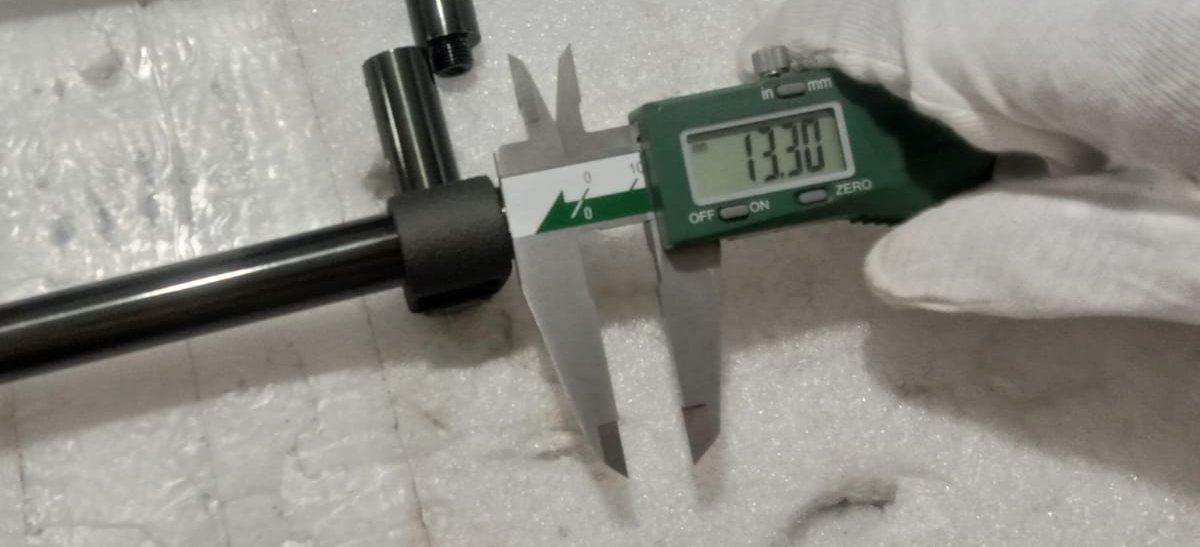
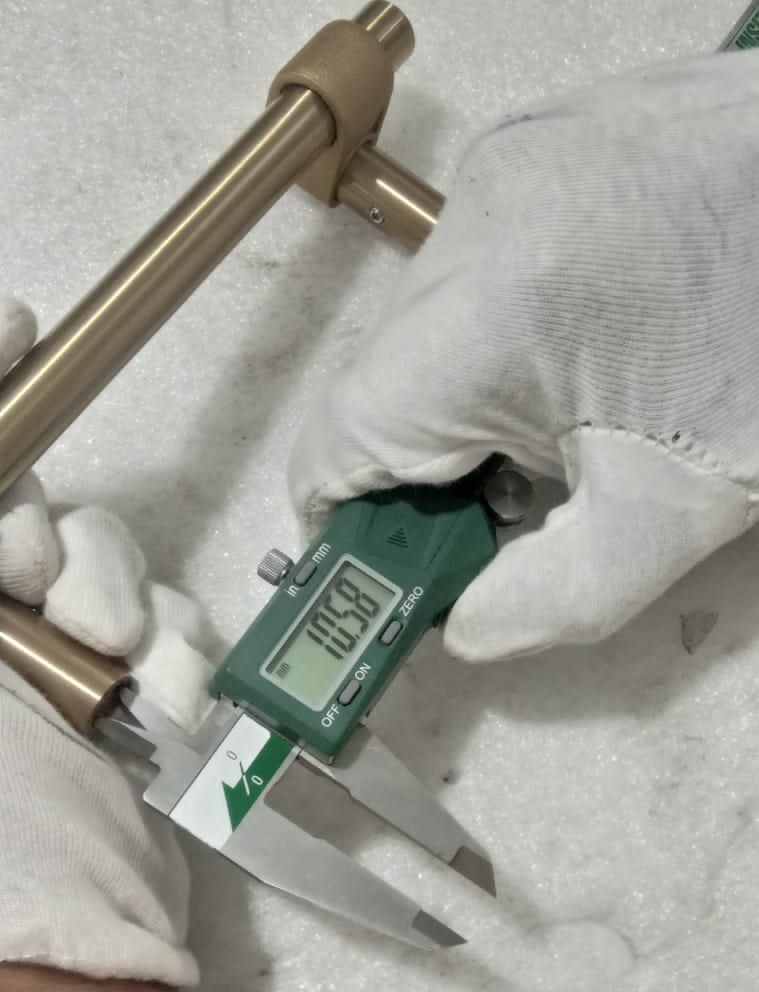
Proof from the shop floor
Five years with a London design brand. Every step on record.
From 2020 to 2024 our team ran sourcing, development and quality for a London-based, design-led hardware and lighting brand across more than sixty product lines — cast bath and door hardware, lighting, furniture and accessories. These are the systems that work built, and that every Neh Need project now runs on.
AQL Level III
Final inspections run at General Inspection Level III — a tighter sample than the usual Level II — with separate critical, major and minor limits.
Batch by batch
Initial-batch, mid-production and final-batch reports for every purchase order, including back-orders.
Tolerances on paper
Dimensional tolerance reports per product family, checked against drawings with calibrated instruments.
Vendor audits
Structured audits of every partner workshop, including packaging data: net and gross weights, carton sizes and units per carton.
Independent labs
Third-party testing at accredited labs where materials and finishes need certification.
Rework, owned
When an overseas shipment needed correction, we ran the rework, re-inspected and documented every step.
Buyer visits
Hosted client visits to partner floors, with timelines, PD trackers and product information sheets ready.
Packing SOPs
Step-wise packing instructions, inner trays and barcode labelling for clean, traceable deliveries.
Start a project
Tell us what you need. We’ll take it from there.
Share a drawing, a reference or simply the problem you’re facing. Reach us at vanditkhanna@nehneed.com or on WhatsApp at +91 98118 72171.
Follow the shop floor
Updates from the floor, every week.
Process reels, inspection notes and new work from our partner network — shared as it happens.