
Home / Insights / Quality & inspection
Quality & inspection
Pre-Shipment Inspection in India: A Checklist for Buyers
What to agree before inspection day, what the inspector should check, and what to do if the lot fails.
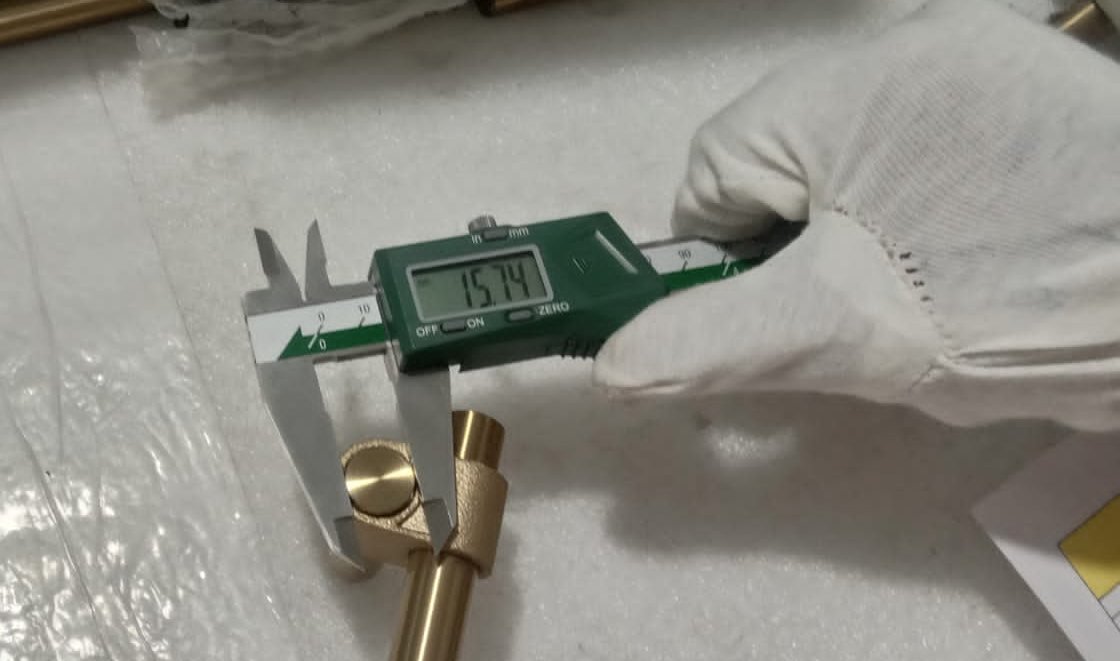
A pre-shipment inspection is a final check of finished, packed goods at the factory before they leave India. Book it when production is complete and at least most of the order is packed, agree the sampling plan and defect limits in writing beforehand, and do not release the balance payment until the report is in your hands.
What a pre-shipment inspection is, and what it is not
A pre-shipment inspection (PSI), also called a final random inspection, is the last quality gate before your goods are loaded. An inspector visits the factory, picks cartons at random from the finished lot, opens them and checks the products against your approved sample and specification.
It is a sampling check. It does not look at every piece. It tells you, with a known level of confidence, whether the lot as a whole meets the standard you agreed. That makes it powerful, but only if the standard was written down before production began.
It is also the last chance, not the best chance. A PSI finds problems when the goods are already made. Fixing them then means rework, delay or a hard conversation. That is why good programmes pair the final check with earlier ones: a first article inspection on the first pieces off the line, a pilot run, and a midline check during production. At Neh Need these sit alongside the final inspection in our eight standard quality reports.
Does India require a government inspection before export?
For most home décor, lighting and hardware, the inspection you rely on is the one you commission. India does have a statutory system. The Export Inspection Council was set up under the Export (Quality Control and Inspection) Act, 1963, and the Central Government can notify commodities that must be inspected before export. The council certifies export quality either consignment by consignment or, for food processing units, through food safety management systems.
Check with your exporter whether anything in your order falls under a notified category. For a typical order of brass knobs, pendant lights or tableware, the practical question is not “what does the government check?” but “what will my inspector check, against which standard?”
Before the inspection: set it up properly
Most failed inspections are really failed briefs. Before you book, make sure the factory and the inspector are working from the same documents.
- An approved golden sample. A signed, sealed reference piece kept at the factory, with a twin held by you or your agent.
- A written specification. Dimensions with tolerances, materials, finish, colour reference, weight, markings, labels and packing.
- A defect list. What counts as critical, major and minor for this product. A scratch on the visible face of a cabinet pull is not the same as a scratch on its back.
- A sampling plan and acceptance limits. Agreed in the purchase order, not argued about on inspection day.
- Function and safety tests. Which tests, on how many pieces, with what pass criteria.
- A packing specification. Carton size, inner packing, shipping marks, barcodes and carton weights.
If you are unsure how to put these together, our guide to sourcing home décor from India covers how the specification fits into the wider process.
Sampling and AQL in plain English
Most buyers and inspectors use acceptance sampling based on AQL, the acceptance quality limit. The reference standard is ISO 2859-1, whose third edition was published in January 2026 and replaces the 1999 edition. It sets out sampling plans indexed by AQL for lot-by-lot inspection.
In practice it works like this. The lot size and the inspection level give a sample size. Your chosen AQL for each defect class gives an acceptance number: the most defects you will tolerate in that sample. Find more, and the lot fails.
- Agree separate limits for critical, major and minor defects. Many buyers accept no critical defects at all, whatever the table says.
- Use the same plan every time so results are comparable across orders and factories.
- Use the switching rules. ISO 2859-1 moves inspection between normal, reduced and tightened levels depending on recent results. A factory with a clean record earns lighter checks; one with rising defects gets tighter ones. The 2026 edition also adds skip-lot sampling.
Ask your inspector to show the lot size, sample size and acceptance numbers on the first page of the report. If they are missing, you cannot tell whether a “pass” means anything.
The pre-shipment inspection checklist
Use this as a starting point and adapt it to your product. Lighting, door hardware and decorative pieces each need their own function tests.
| Check | What the inspector does | Why it matters |
|---|---|---|
| Quantity | Counts finished and packed cartons against the order. Notes how much is still in production. | A PSI on a half-made order says little about the rest. |
| Random carton selection | Picks cartons from across the stack, not the ones the factory sets aside. | Prevents a “best pieces first” sample. |
| Golden sample comparison | Compares colour, finish, shape and detail side by side with the sealed sample. | Catches drift in finish and colour between sample and bulk. |
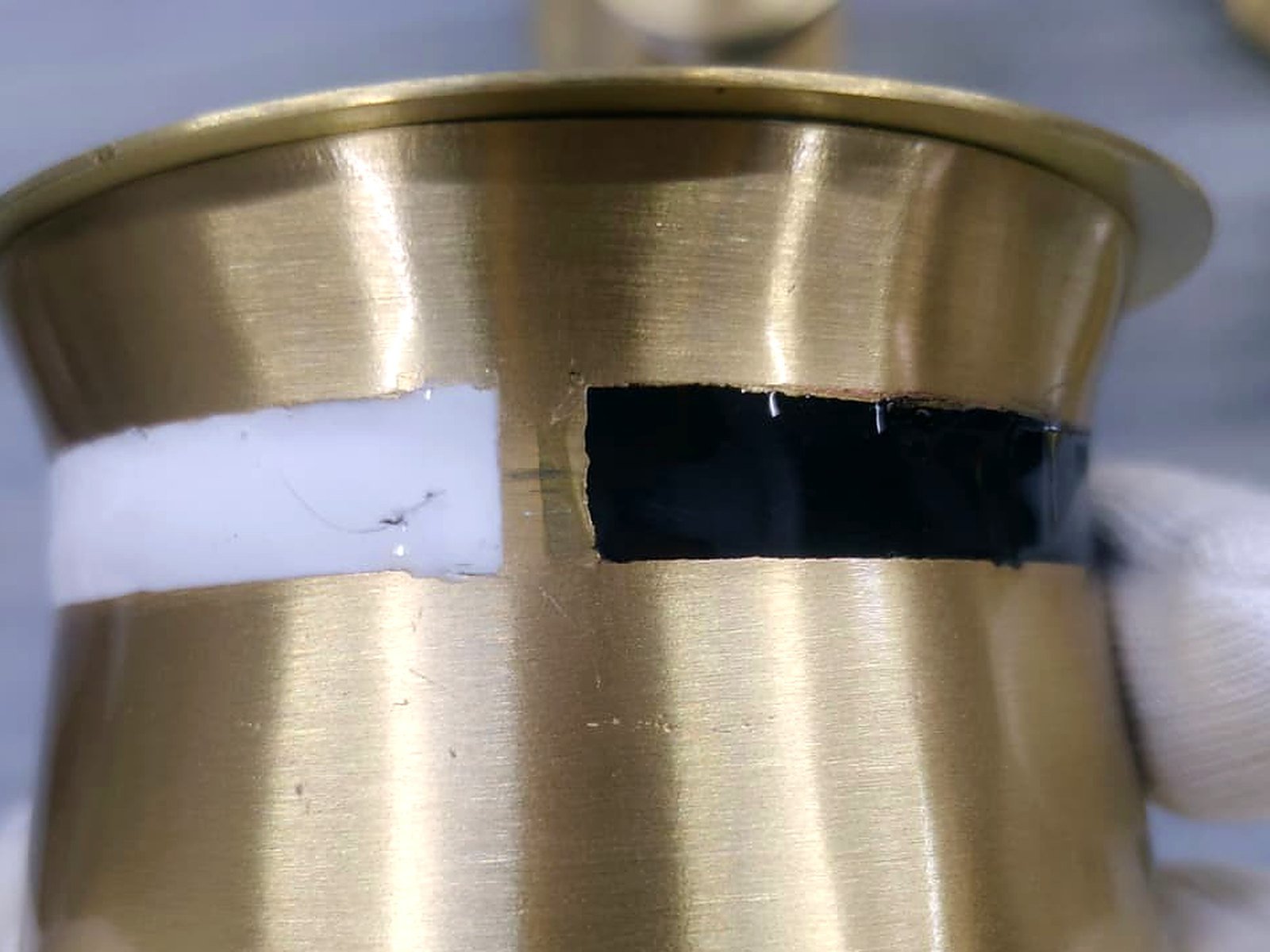
| Visual workmanship | Inspects each sampled piece for scratches, dents, pits, casting porosity, polishing marks and uneven plating, and classifies each defect. | Produces the defect count that decides pass or fail. |
| Dimensions and weight | Measures critical dimensions with calipers and tape, and weighs pieces against the specification. | Fit matters: a knob with the wrong thread or a backplate the wrong size cannot be installed. |
| Function | Turns handles, opens and closes, fits screws, assembles and dismantles. For lighting, powers up lamps and checks switches and fittings. | Many defects are invisible until the product is used. |
| Finish durability | Runs simple on-site tests agreed in advance, such as tape adhesion or a rub test. | Weak finishes fail in customers’ homes, not at the factory. |
| Labels and markings | Checks product labels, barcodes, country of origin marking, care instructions and any required safety labels. | Wrong labels can hold goods at the destination. |
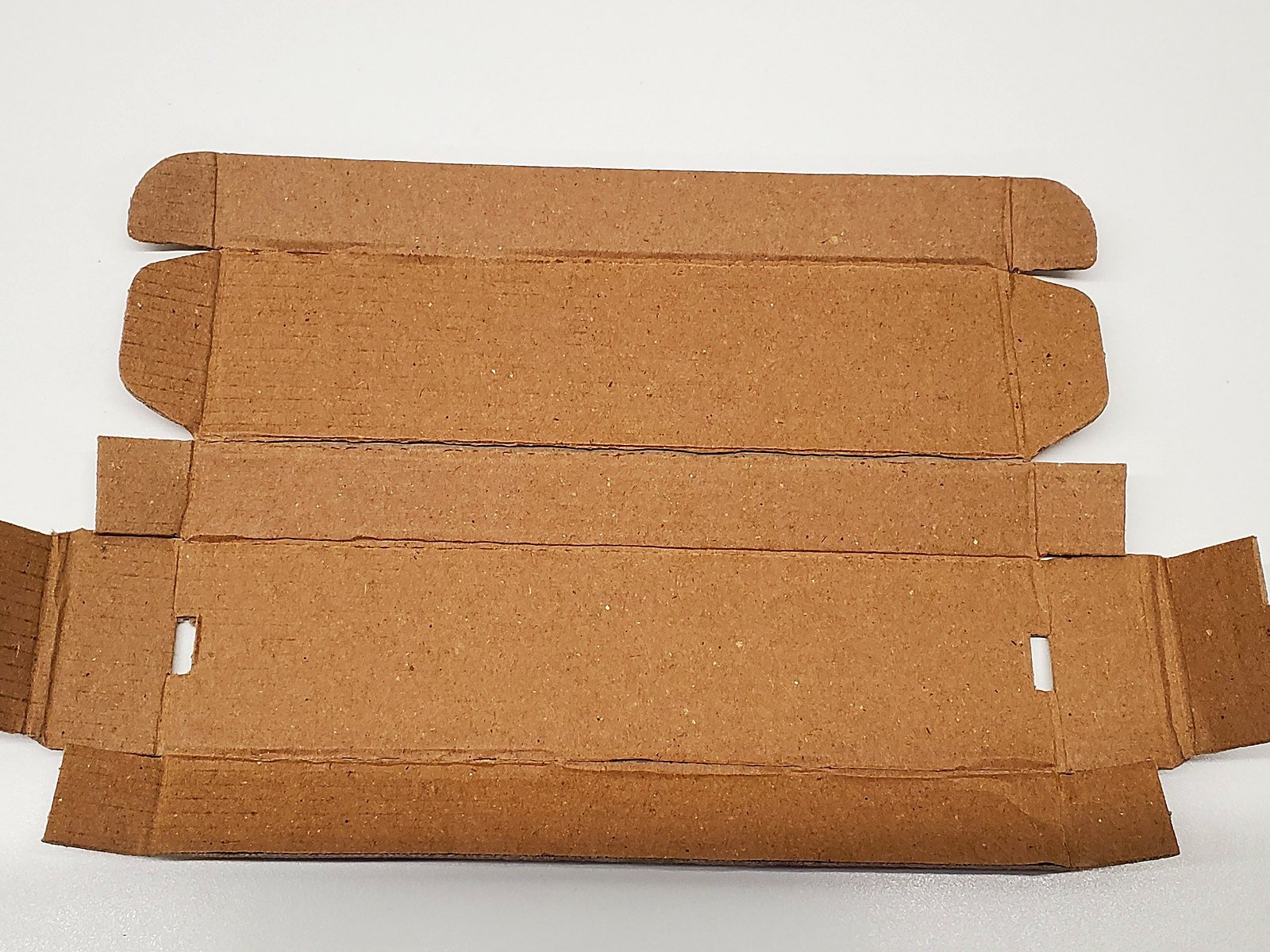
| Packing | Checks inner packing, carton strength, carton dimensions, gross weight and shipping marks. Does a carton drop test if agreed. | Good product badly packed arrives broken. |
| Photos and report | Photographs every defect found, the cartons and the shipping marks, and issues a written result. | Your evidence if you need to reject the lot or claim later. |
Packing and transit checks
Breakage in transit is one of the most common complaints in home décor. Glass shades, ceramic pieces and heavy brass castings all need packing that has been tested, not assumed.
A common benchmark is the ISTA family of package tests. ISTA describes its Series 1 tests, including procedure 1A for packaged products of 150 lb (68 kg) or less, as screening tests for how well product and package hold together. Its Series 3 tests go further and simulate transport conditions in a laboratory. If your retailer or marketplace names a specific test, write it into the packing specification and ask for it to be checked before shipment.
At inspection, ask for a few cartons to be opened from the bottom of the pallet as well as the top, and check that inner packing is the same in every one.
Timing: when to book
Book the final inspection when production is finished and most of the order is packed. If too little is packed, the sample does not represent the whole lot. If you wait until the container is at the door, there is no time to fix anything.
Leave room in the shipping plan for one re-inspection. If the lot fails, the factory needs time to sort, rework or replace, and the inspector needs to come back. A schedule with no slack turns a quality problem into a shipping problem.
Reading the report and what to do if it fails
A good report gives a clear result, the sampling plan used, a count of defects by class, measurements against tolerances, test results and photographs. Read the photographs as well as the summary. A “pass” with many minor defects of the same type points to a process problem worth raising before the next order.
If the lot fails, you have three broad options:
- Rework and re-inspect. The factory sorts the whole lot, fixes or replaces defective pieces, and the inspector returns.
- Accept with conditions. For minor issues, you may accept the lot and agree a credit or a corrective action plan in writing.
- Reject. For critical defects or safety issues, hold the shipment until the problem is solved.
Whatever you decide, record it. Over time the reports tell you which factories are improving and which are not. We turn this into a factory performance report and a vendor rating for each supplier.
Who should do the inspection?
The inspector should be independent of the production team and should report to you. A factory’s own QC team is essential, but it should not be the last word on its own goods.
Neh Need’s QC inspectors work under a QC manager with 25 years’ experience. As a buying agent or a third-party inspection partner, we can run inspections at factories across India against your specification, whether or not we sourced the product. If you also need help with finishes, our guide to PVD, EPL and powder coating explains which tests suit each finish.
Frequently asked questions
How much of the order should be ready before a pre-shipment inspection?
Production should be complete and most of the order packed, so the inspector can draw a random sample from the whole lot. Agree the exact level with your inspector and factory in advance.
What AQL should I use for home décor?
There is no single right answer. Many buyers accept no critical defects and set separate, tighter limits for major defects than for minor ones. The important thing is to agree the limits in writing before production and use them consistently.
Is a pre-shipment inspection enough on its own?
It is the final gate, not the whole system. Problems are cheaper to fix when caught early, so combine it with a first article inspection, a pilot run and a midline check during production.
Can I use an inspector the factory recommends?
It is better to appoint an inspector who works for you and is independent of the factory. That way the report reflects your standard, not the factory’s.
Work with Neh Need
Sourcing from India? Let’s talk.
Lighting, hardware and home décor — developed, made and inspected in India’s finest workshops. Tell us what you need and we’ll reply within two working days.
Book an inspection