
Home / Insights / Sourcing guides
Sourcing guides
Sourcing Agent vs Direct Exporter in India: Which Is Right for Your Brand?
Two ways to buy from India, who carries the risk in each, and how to choose.

Choose a direct exporter if you want one supplier to take full responsibility for quality, delivery and paperwork across one or many categories. Choose a buying agent if you want to contract with factories yourself and need an independent team on the ground to find suppliers, follow production and inspect. Both should give you the same development and quality process.
How a direct exporter works
You place one purchase order with the exporter. The exporter develops the product, selects and manages the factories, inspects, consolidates and ships under its own name. If something goes wrong, the exporter is responsible for putting it right. This suits brands, retailers and design studios that want a single accountable partner — especially for multi-category orders.
How a buying agent works
You buy directly from the factory, under your own contracts and payment terms. The agent works for you: finding and vetting factories, negotiating, running development and sampling, following production, inspecting and coordinating dispatch. This suits importers with their own buying teams who want transparency and a direct relationship with their makers.
Side by side
| Direct exporter | Buying agent | |
|---|---|---|
| You contract and pay | The exporter | The factory (plus the agent’s fee) |
| Who carries quality risk | Mainly the exporter | Mainly you, with the agent’s inspections |
| Price transparency | One price per product | Factory price visible, fee separate |
| Number of suppliers you manage | One | One per factory |
| Multi-category consolidation | Built in | Possible, coordinated by the agent |
| Export paperwork | Handled by the exporter | Factory exports, agent coordinates |
| Best for | Brands wanting one accountable partner | Importers with in-house buying teams |
When a direct exporter is the better choice
- You are new to sourcing from India and want one point of responsibility.
- Your order spans several categories — lighting, hardware, furniture, accessories.
- You do not want to manage payments and contracts with several factories.
- You need the supplier to hold stock of components or handle consolidation.
When a buying agent is the better choice
- You already have buyers who negotiate and place orders.
- You want to build long-term direct relationships with factories.
- You want full visibility of factory prices.
- You need help with specific jobs: inspections, audits, project monitoring or fixing a quality problem.
What each model asks of your own team
The fee or margin is only half the cost. The other half is your team’s time. With a direct exporter, your team mainly approves designs and samples and receives one shipment. With a buying agent, your team also manages purchase orders, payments and contracts with each factory, while the agent handles the day-to-day follow-up, visits and inspections.
If your buying team is small, the time saved by a single accountable exporter often outweighs any price difference. If you have experienced buyers who already manage suppliers in other countries, an agent gives them eyes and ears in India without adding headcount.
An example: one collection, two ways
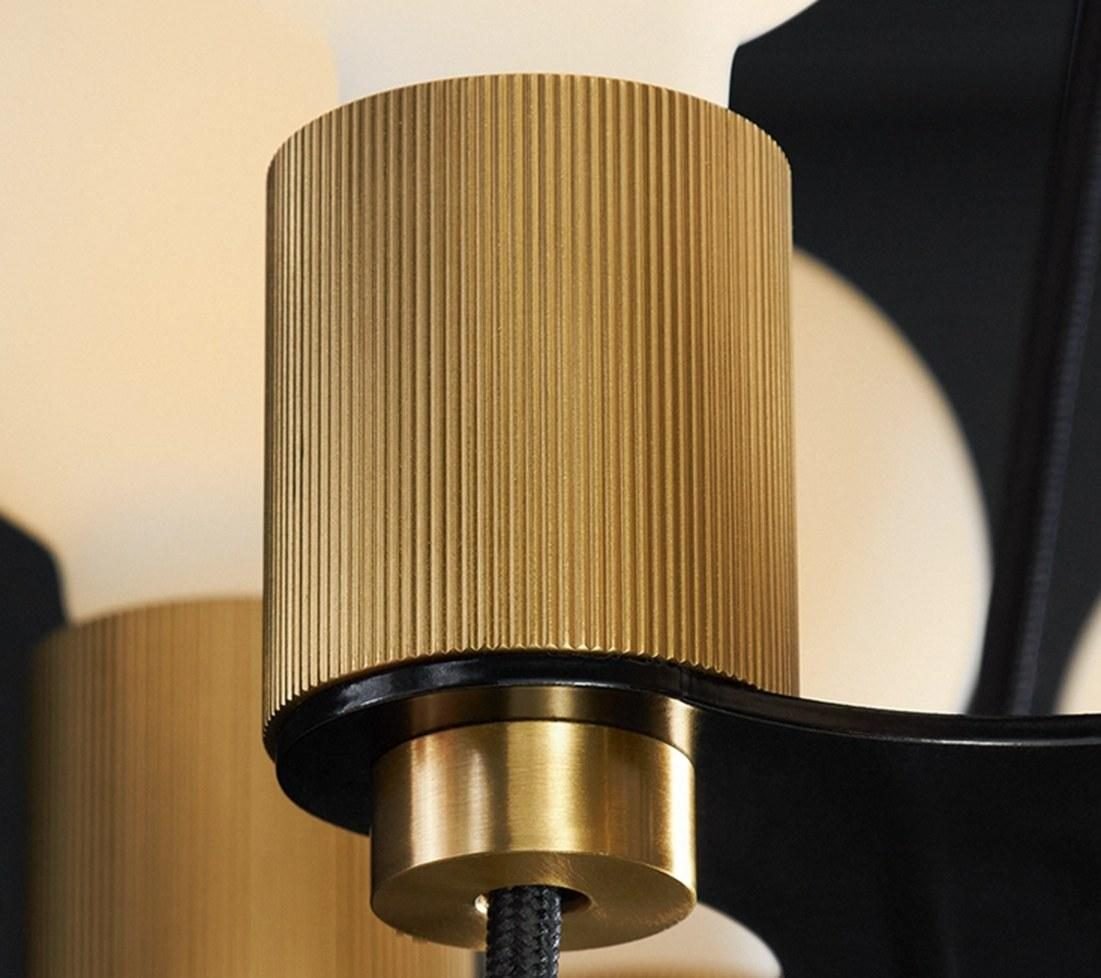
Imagine a European lighting brand launching a collection of six pendants and four matching wall lights, with brass components, glass shades and fabric cables made by three different specialist workshops.
- Through a direct exporter: the brand issues one purchase order. The exporter coordinates the brass, glass and cable makers, assembles or kits the fittings, inspects everything, consolidates it into one container and invoices once.
- Through a buying agent: the brand issues three purchase orders, one to each workshop, and pays each one. The agent synchronises the three production schedules, inspects at each workshop and coordinates consolidation and dispatch.
Both routes can deliver the same product. The difference is who holds the contracts and the risk — and how much coordination sits with the brand.
Red flags in either model
- No technical staff — only sales people.
- Unwilling to name the factory, or to let you visit it.
- Inspection “reports” with no photos, measurements or defect counts.
- Prices that are far below every other quote, with no explanation.
- Vague answers about what happens when a batch fails inspection.
Questions to ask any agent or exporter
- Which of your people are technical — engineers, CAD designers, QC inspectors?
- How often will someone visit the factory during my production?
- Can I see a sample inspection report?
- Do you take any commission from factories? (For an agent, the answer should be no.)
- Which brands has your team worked with, and can you share a reference?
- What happens if a batch fails inspection?
Our view
There is no single right model — it depends on how much of the process you want to own. At Neh Need we offer both, with the same development and eight-report quality process behind each. See direct export and buying agency for how they work in practice.
Frequently asked questions
How do sourcing agents in India get paid?
Most sourcing or buying agents charge a commission on the order value or a fixed fee for the service, agreed in writing up front. A good agent is transparent about it and does not take hidden commissions from factories.
Is a direct exporter more expensive than a buying agent?
Not necessarily. An exporter’s price includes its margin and the cost of managing factories, quality and logistics. With an agent you pay the factory price plus the agent’s fee. Compare the total landed cost, including the cost of your own time and of quality problems.
Can I switch from one model to the other?
Yes. Many brands start with direct export for a first collection and move to a buying-agency model once they have built relationships with the factories — or use both for different categories.
Work with Neh Need
Sourcing from India? Let’s talk.
Lighting, hardware and home décor — developed, made and inspected in India’s finest workshops. Tell us what you need and we’ll reply within two working days.
Compare our two models